3years between smears
Most women
From age 21
- Start
- At 21
- How often
- A Pap smear every 3 years, or an HPV test every 5 years, if results are normal
- Stop
- At 65, after a negative HPV result
Patient guide
A quick, routine test that can find changes in the cervix years before they could become cancer. Here is who needs one, when to start and what to expect.
21the age to start
The test
About 5 minutes
Repeat
Every 3 to 5 years
The cervix is the lower, narrow part of the womb that opens into the vagina. During a Pap smear, a few cells are gently collected from the cervix and sent to a laboratory to check for abnormal changes. The same sample can be tested for HPV (human papillomavirus), the virus behind almost all cervical cancers.
Cell changes can be treated simply, long before they could turn into cancer.
Early changes almost never cause symptoms, which is why regular screening matters.
The test itself takes only a few minutes at your normal consultation.
Cervical cancer is common in South Africa, yet screening and vaccination prevent most cases.
Anyone with a cervix aged 21 to 65 should have regular cervical screening, whether that is a Pap smear, an HPV test or both.
Early cervical changes rarely cause symptoms, so screening matters even when you feel well.
The vaccine protects against the most dangerous HPV types, but not all of them.
Or not sexually active right now. HPV can stay silent in the body for many years.
Keep screening until your doctor confirms you can stop, usually at 65.
Including transgender men and non-binary people who still have a cervix.
Start at diagnosis, at any age, and screen more often (see below).
You may not need screening after a total hysterectomy (womb and cervix removed) for a reason other than cancer or pre-cancer. Dr. Madri can confirm this with you.
How often you need a test depends on your age, your results and your health. Your schedule starts again from your most recent normal result.
3years between smears
Most women
1year between smears
Living with HIV
After an abnormal result, you will need tests more often for a while. Dr. Madri will tell you when.
Public clinics offer free Pap smears from age 30, three times in a lifetime, ten years apart (around 30, 40 and 50). Screening more often gives you more chances to catch changes early.
The HPV vaccine
The HPV vaccine protects against the virus types that cause most cervical cancers, as well as genital warts and some other cancers. It works best before someone is ever exposed to HPV.
The best age to vaccinate, for girls and boys.
The Department of Health vaccinates girls aged 9 and older at public and independent schools.
A single dose gives effective protection to girls in the school programme. We’ll tell you at your appointment how many doses older teens and adults need.
Teens and young adults who missed it can still catch up. Some adults up to 45 may also benefit.
The vaccine is very safe; a sore arm, mild fever or headache for a day or two are the most common side effects. It doesn’t replace screening: vaccinated women still need Pap smears on the normal schedule.
The test itself takes only a few minutes, and the whole visit is usually short.
Dr. Madri asks a few questions about your health and cycle, and explains what will happen.
You undress from the waist down in private and lie on the examination bed with a sheet to cover you.
A smooth speculum gently opens the vagina, and a small soft brush collects cells from the cervix in a few seconds.
The speculum is removed, you get dressed, and you can go straight back to your day.
Most women feel some pressure or mild discomfort, but it shouldn’t be painful. Light spotting for a few hours afterwards is normal.
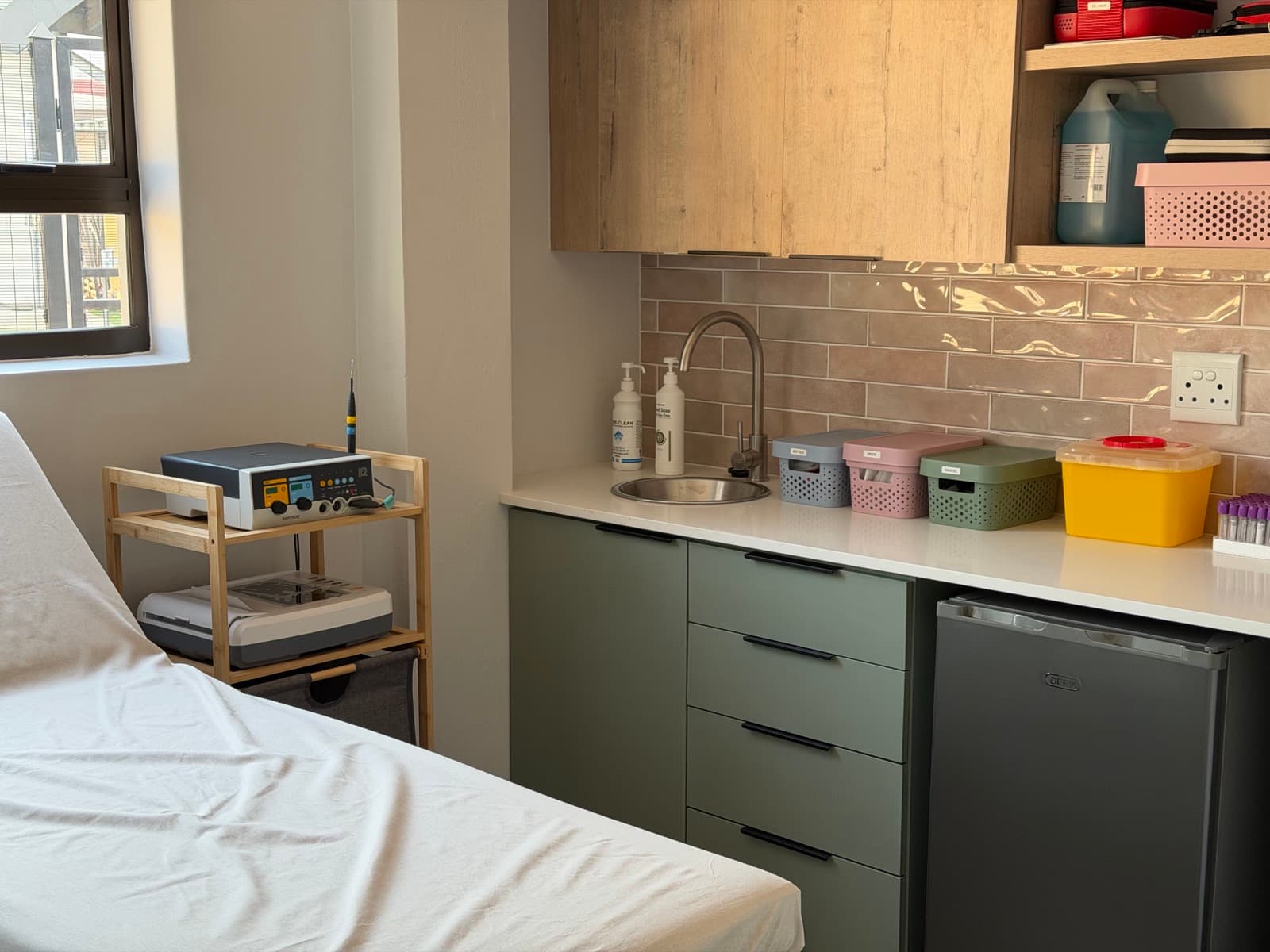
These help us get a clear sample and help you feel at ease.
Book for a day when you’re not bleeding. Mid-cycle is ideal.
For 48 hours before, avoid sex, tampons, vaginal creams and douching.
Let us know if you’re pregnant, had an abnormal result before or feel anxious.
You’re welcome to bring someone along or ask for a chaperone.
Slow, deep breaths help your muscles relax during the test.
You can ask Dr. Madri to pause or stop at any time.
Your results come back from the laboratory, and we contact you either way.
Most results are. You simply book your next screening on your usual schedule.
It rarely means cancer. Usually there are cell changes that need a closer look, such as a repeat smear, an HPV test or a colposcopy.
Can’t remember when your last Pap smear was? It’s probably time for another one.
Most women feel some pressure or mild discomfort, but it shouldn’t be painful, and it’s over in a few minutes. Tell Dr. Madri if you’re uncomfortable; you can pause or stop at any time.
It’s best to book for a day when you’re not bleeding, as blood can make the sample harder to read. If your period starts unexpectedly, let us know and we can reschedule.
Yes. The vaccine protects against the most dangerous HPV types, but not all of them, so vaccinated women still need regular screening.
Yes, a Pap smear is safe during pregnancy. Let Dr. Madri know you’re pregnant so she can plan the right timing with you.
A Pap smear looks for changed cells on the cervix. An HPV test looks for the virus that causes those changes. Both use the same kind of sample, and they are often done together.
We contact you once the laboratory results come back, usually within one to two weeks, and explain any next steps.
If you’re due for a Pap smear, or not sure, book an appointment and we’ll take care of the rest. Ask us about the HPV vaccine for yourself or your children at the same visit.
This guide offers general information based on South African screening guidelines and doesn’t replace a consultation with your doctor.